
01 · FOUNDATION
Primary & Secondary
Formal schooling creates the academic foundation for children from rural, hilly and low-income communities.
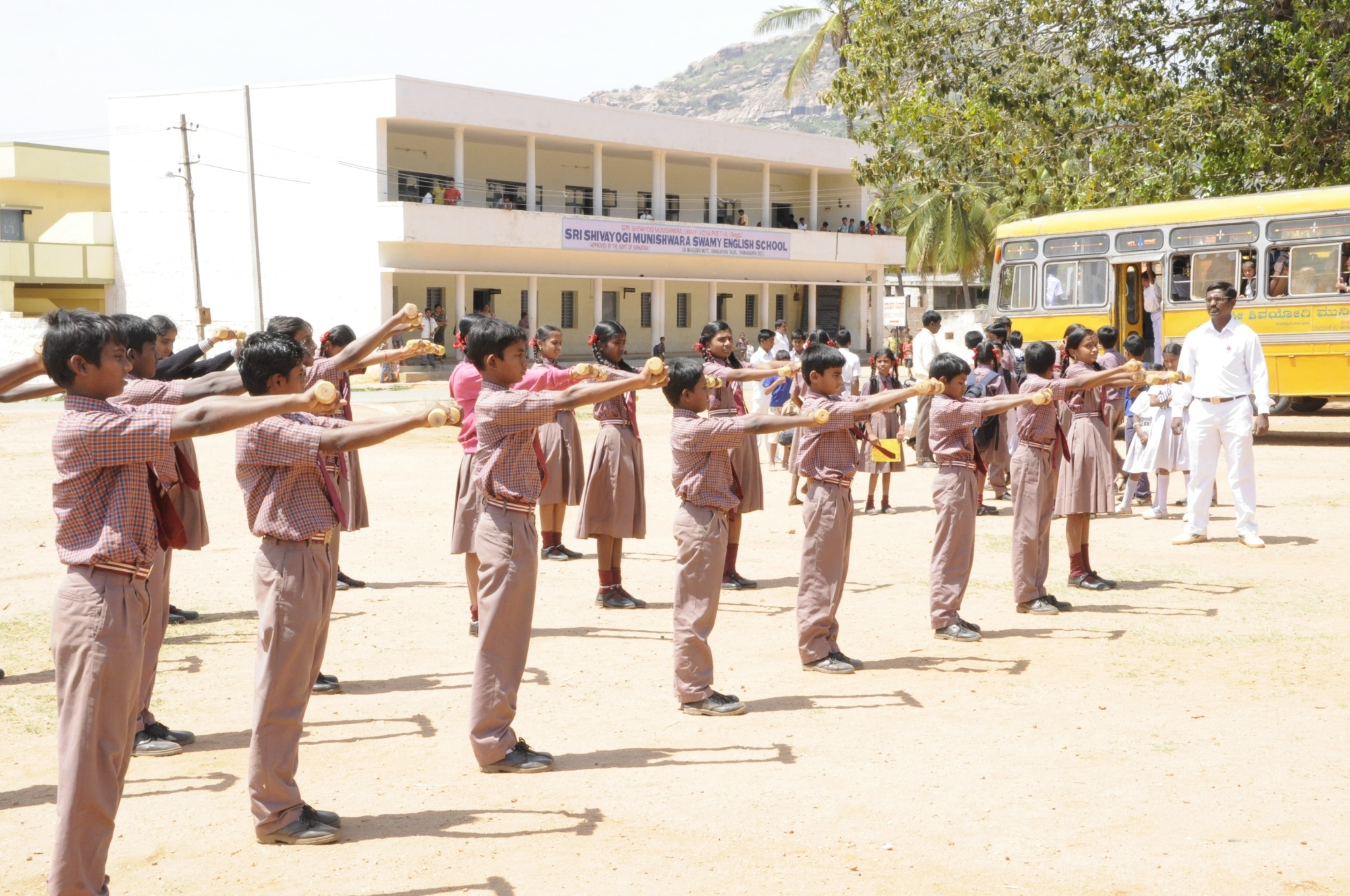
Sri Shivayogi Munishwara Swamy Vidyapeetha carries the Mutt's educational work from its beginnings with six students into a wider system of schooling, learning, skill development and opportunity.
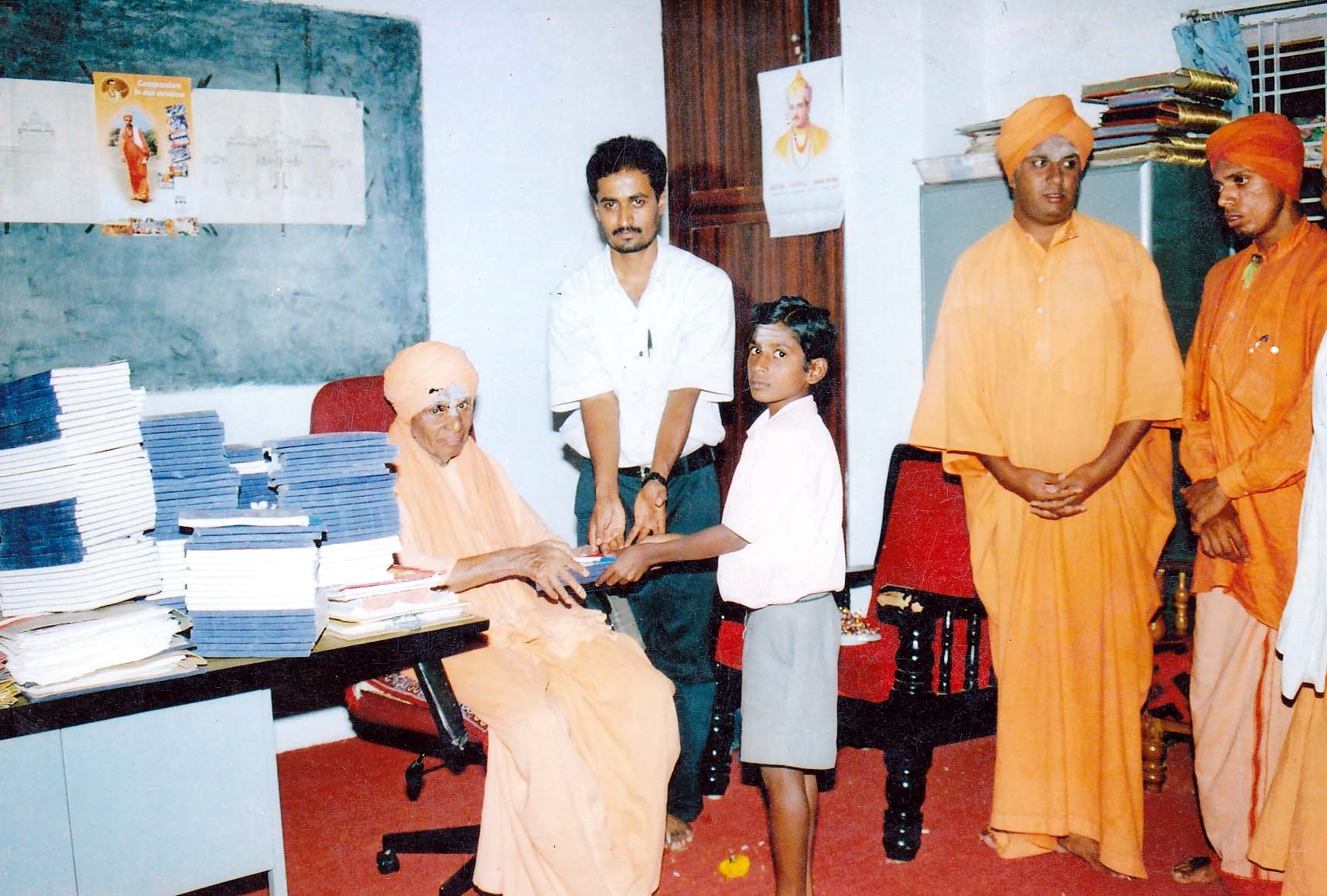
Published Mutt material records that Sri Shivayogi Munishwara Swamy Vidyapeetha was started by Sri Kalagni Rudramuni Maha Swamiji with six students, beginning with Sanskrit lessons.
A small beginning.
A widening purpose.
 The early educational tradition
The Mutt's educational story is not only about classrooms. It is about creating confidence, capability and a path into wider society.
Published Vidya Peetha material describes a broad educational system: primary and secondary schooling, Pre-University schooling, teacher training and Industrial Training Institute programmes for skill development.
Formal schooling creates the academic foundation for children from rural, hilly and low-income communities.
The educational pathway extends beyond the earliest years, supporting continued study and broader opportunity.
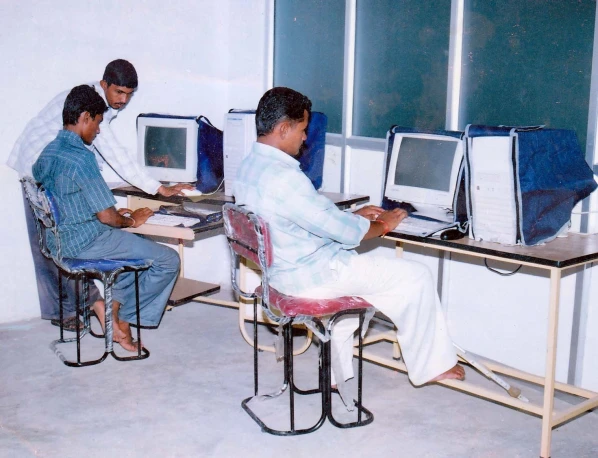
Vocational and technical learning is part of the Vidya Peetha's effort to build employable skills.
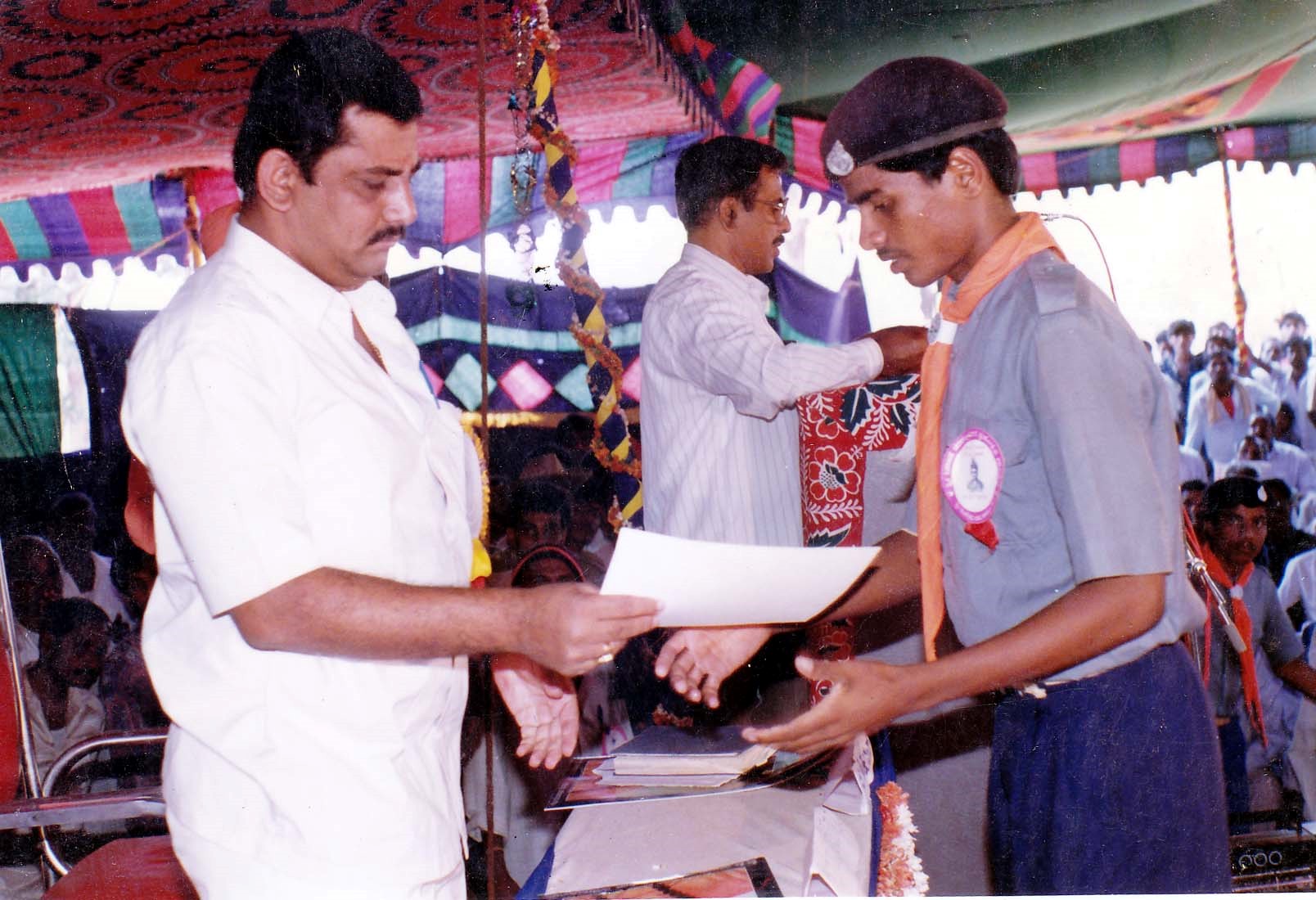
Spiritual and aesthetic activities, Scouts and Guides, NSS, sports, dance, theatre and music form part of the wider learning environment.
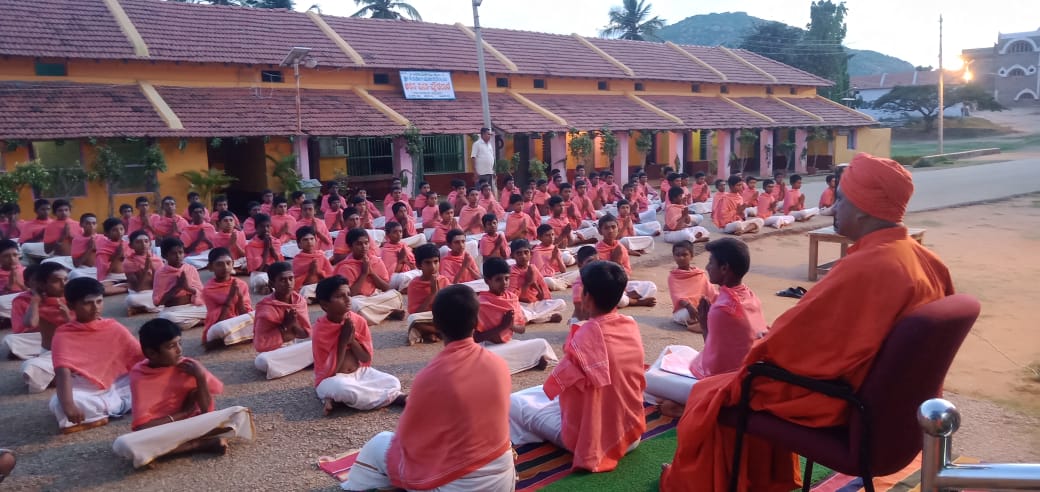
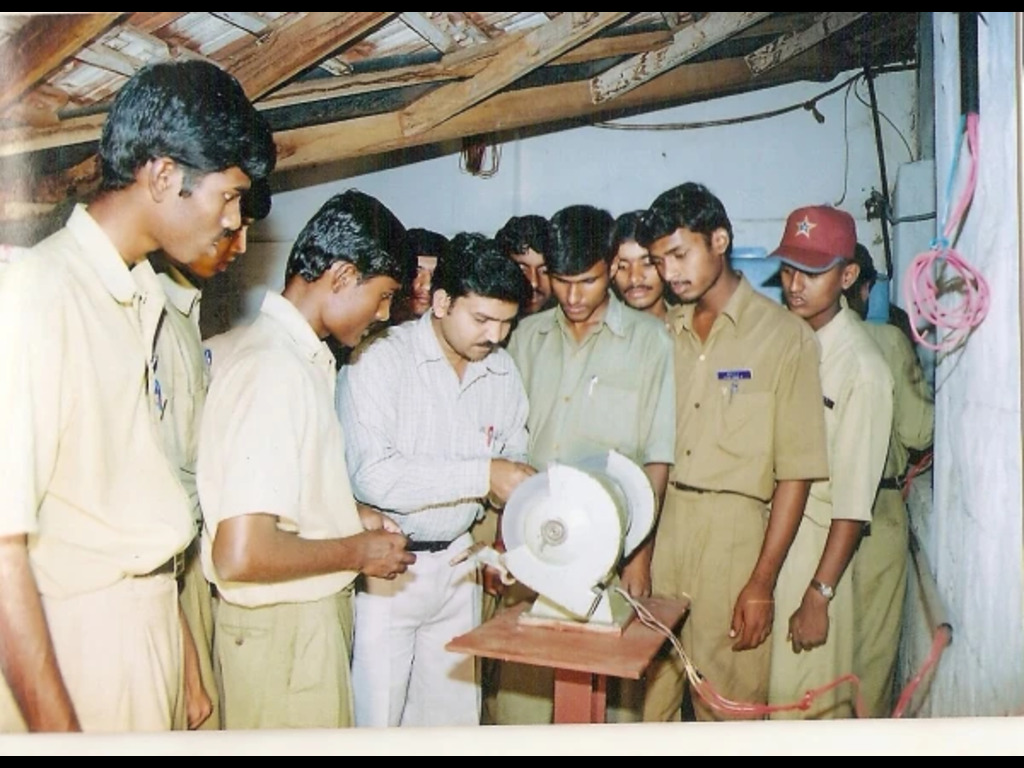
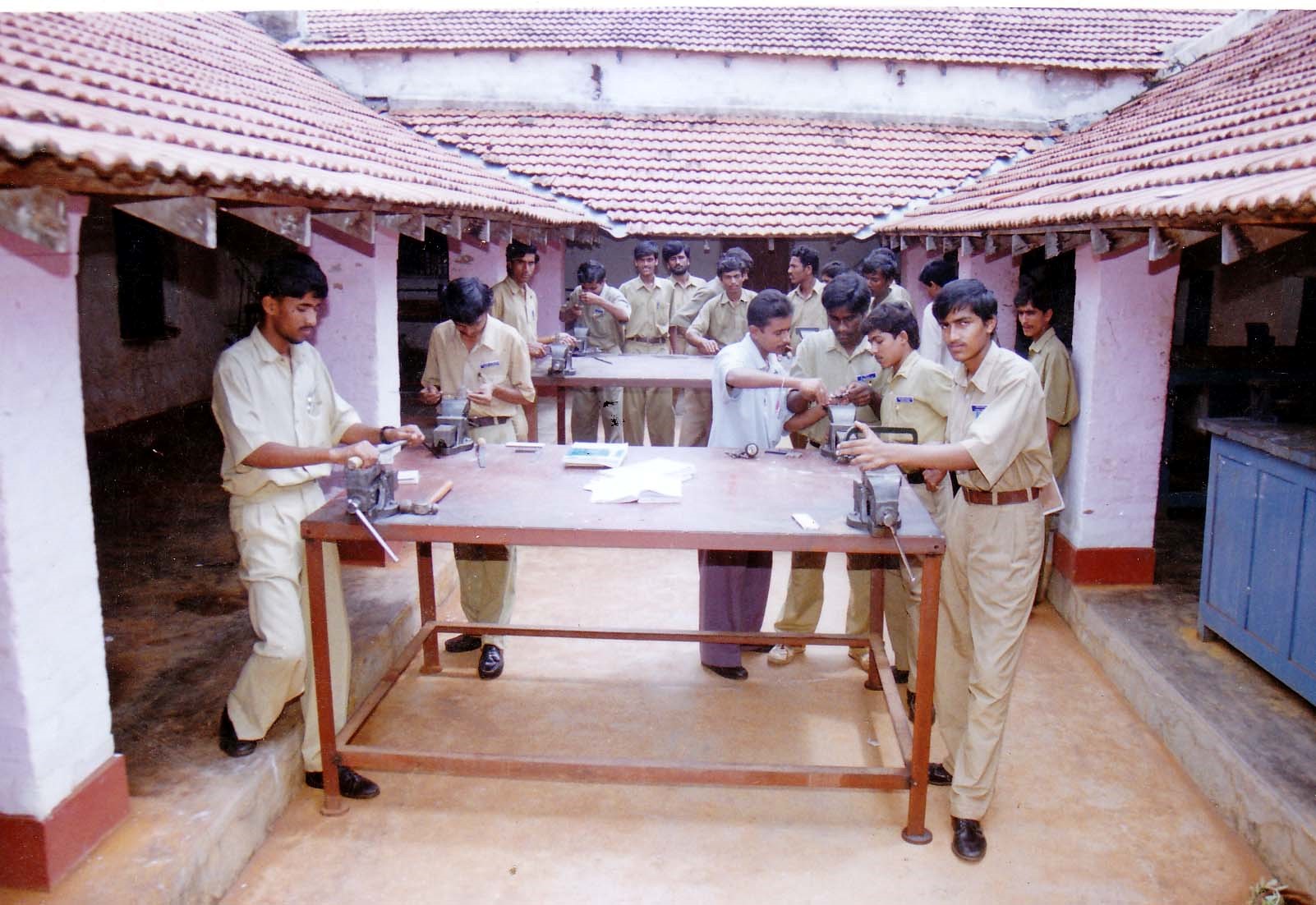
The Vidya Peetha's published learning philosophy places importance on inner talents as well as formal study. Students take part in spiritual and aesthetic activities, sports, cultural programmes, Scouts and Guides and National Service Scheme activities.
Discipline. Confidence.
Co-operation. Compassion.
Published Vidya Peetha material describes an environment that brings together education, nutrition, health, accommodation, study materials and practical facilities so that students can remain focused on learning.
At the Mutt headquarters, the educational system includes free boarding and lodging for about 1,000 or more students, according to the published institutional account.
The management describes support with uniforms, textbooks and stationery for economically challenged students.
Regular health check-ups, lessons on hygiene and nutrition, and medical support form part of the educational environment.
Published material records library, science laboratory and computer facilities alongside the academic programme.
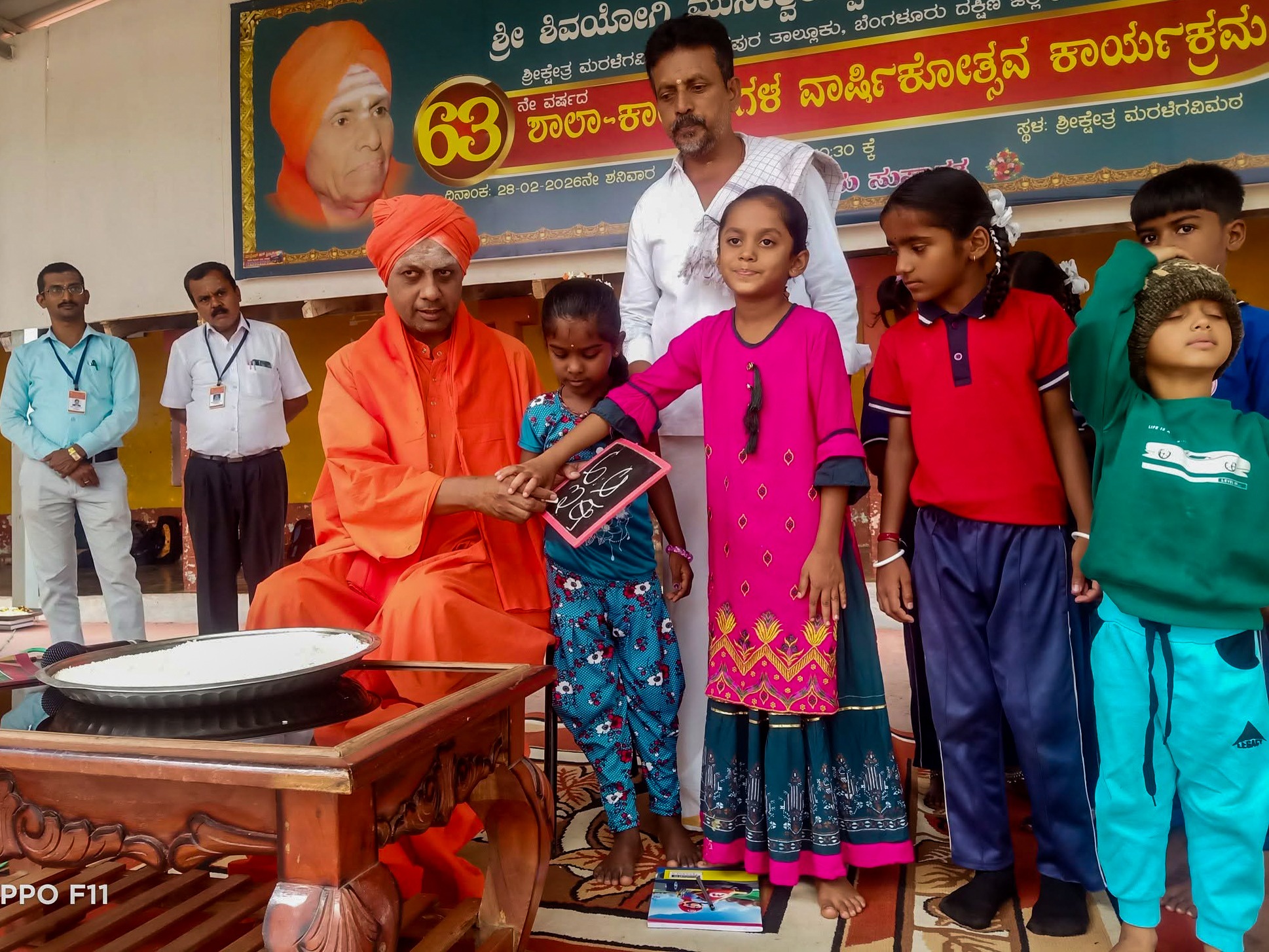
The Mutt's published profile describes students coming from rural and hilly areas of Karnataka and Tamil Nadu, including families with low income or limited educational background. The educational effort is intended to open opportunities for children who might otherwise struggle to access formal schooling.
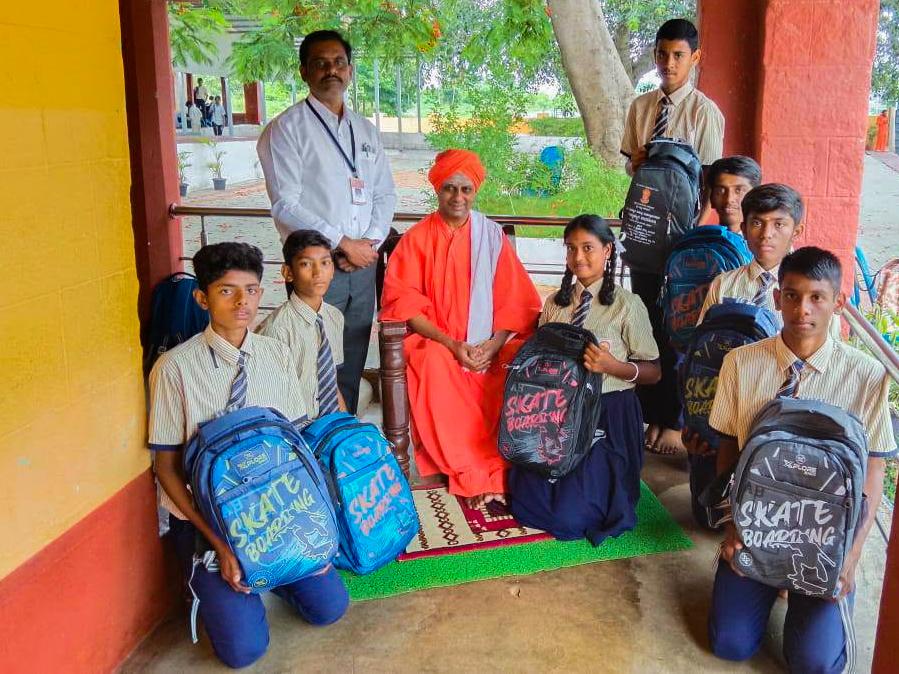 Student life · Guidance · Support
The Vidya Peetha material describes Swamiji as a guide and friend to students, with personal supervision of programmes conducted by the Vidya Peetha. The aim is not only instruction, but participation, confidence and a sense of belonging.
To teach a child
is to widen a future.
These photographs span classrooms, technical training, transport, student activities, guidance and the everyday life surrounding the Mutt's educational work.
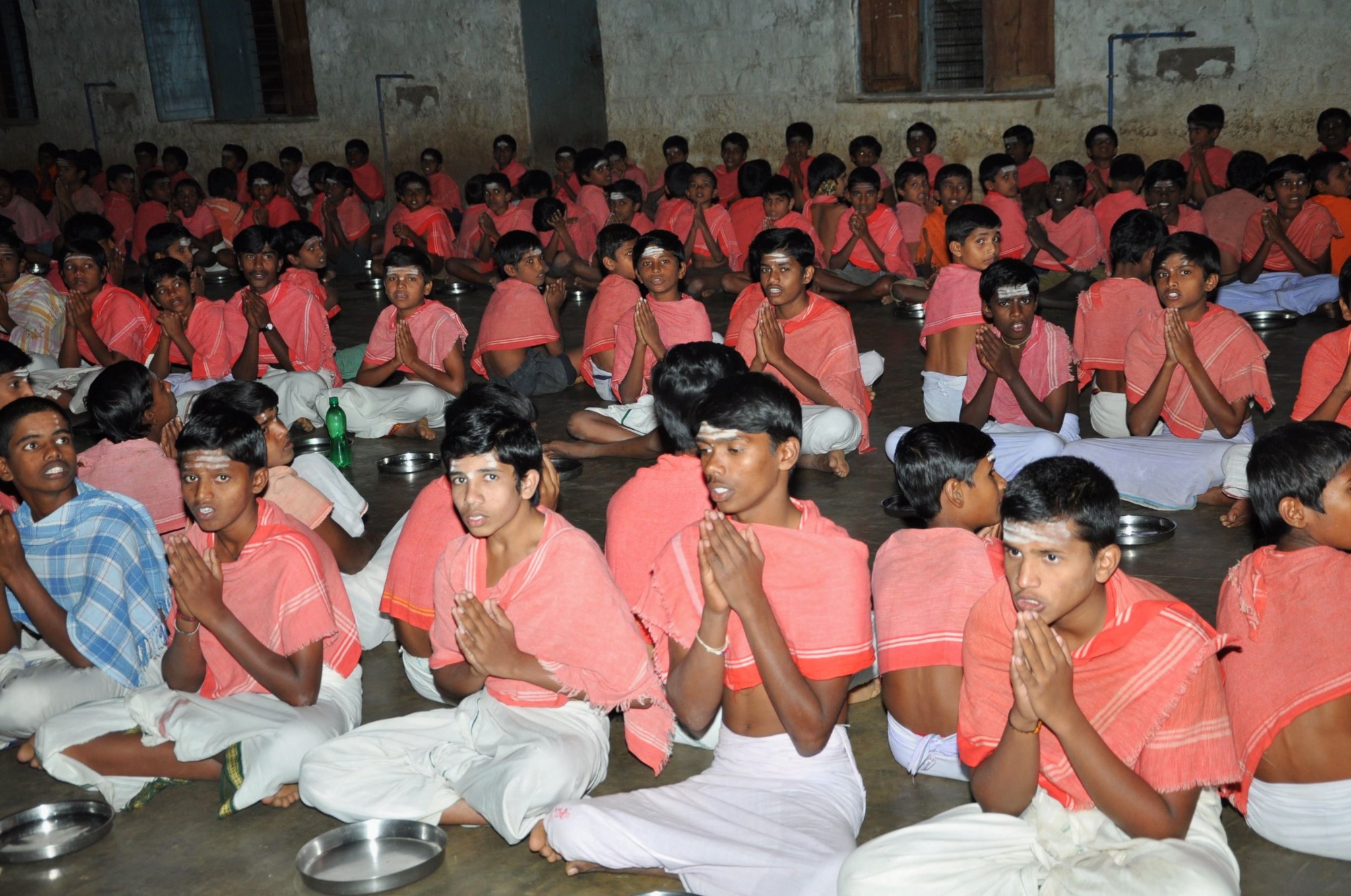
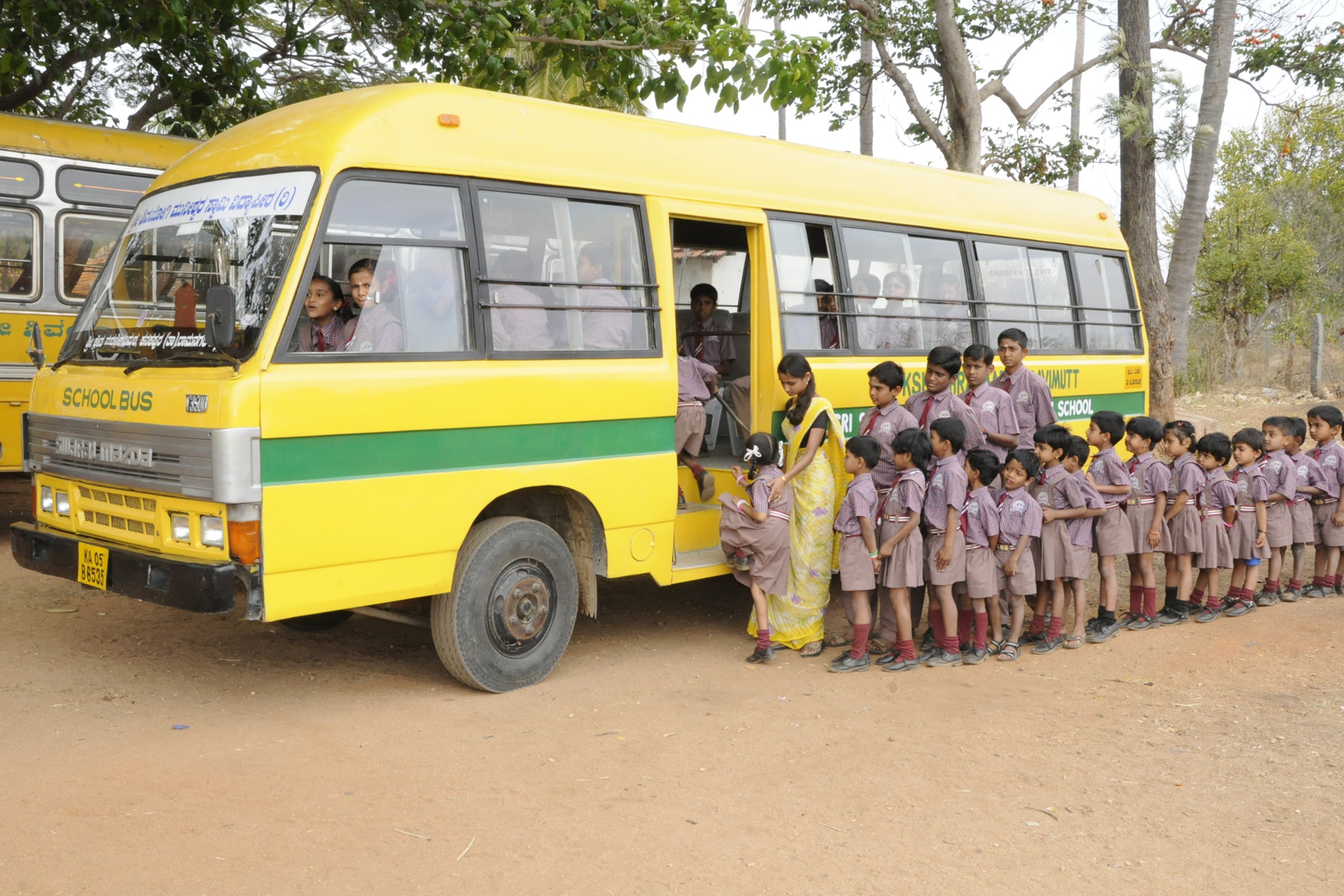
Education becomes transformative when opportunity reaches the child.
Editorial statement · Not a direct quotation