01 · MOBILITY
Wheelchairs
Support is provided to physically handicapped students through wheelchairs.
Sri Kshetra Maralegavi Mutt's health-related activities extend care beyond the classroom — supporting students and the local community through medical assistance, regular health checks, and donation camps.
Published Mutt material describes a continuing programme of health care activities and medical aid for the benefit of students and the local community. The work includes support for challenged individuals, regular student health checks, and blood and eye donation camps.
The Mutt's published health record includes practical assistance for people facing physical and visual challenges, alongside guidance to specialized institutions when required.
Physically handicapped students are provided with wheelchairs and crutches with shoes. Spectacles are provided for visually challenged students.
Necessary guidance and assistance is administered from Ramana school for handicapped and the school for blind, deaf and dumb.
Support is provided to physically handicapped students through wheelchairs.
Practical mobility assistance is described as including crutches with shoes.
Spectacles are provided for visually challenged students.
Guidance and assistance connects students with relevant schools and care resources.
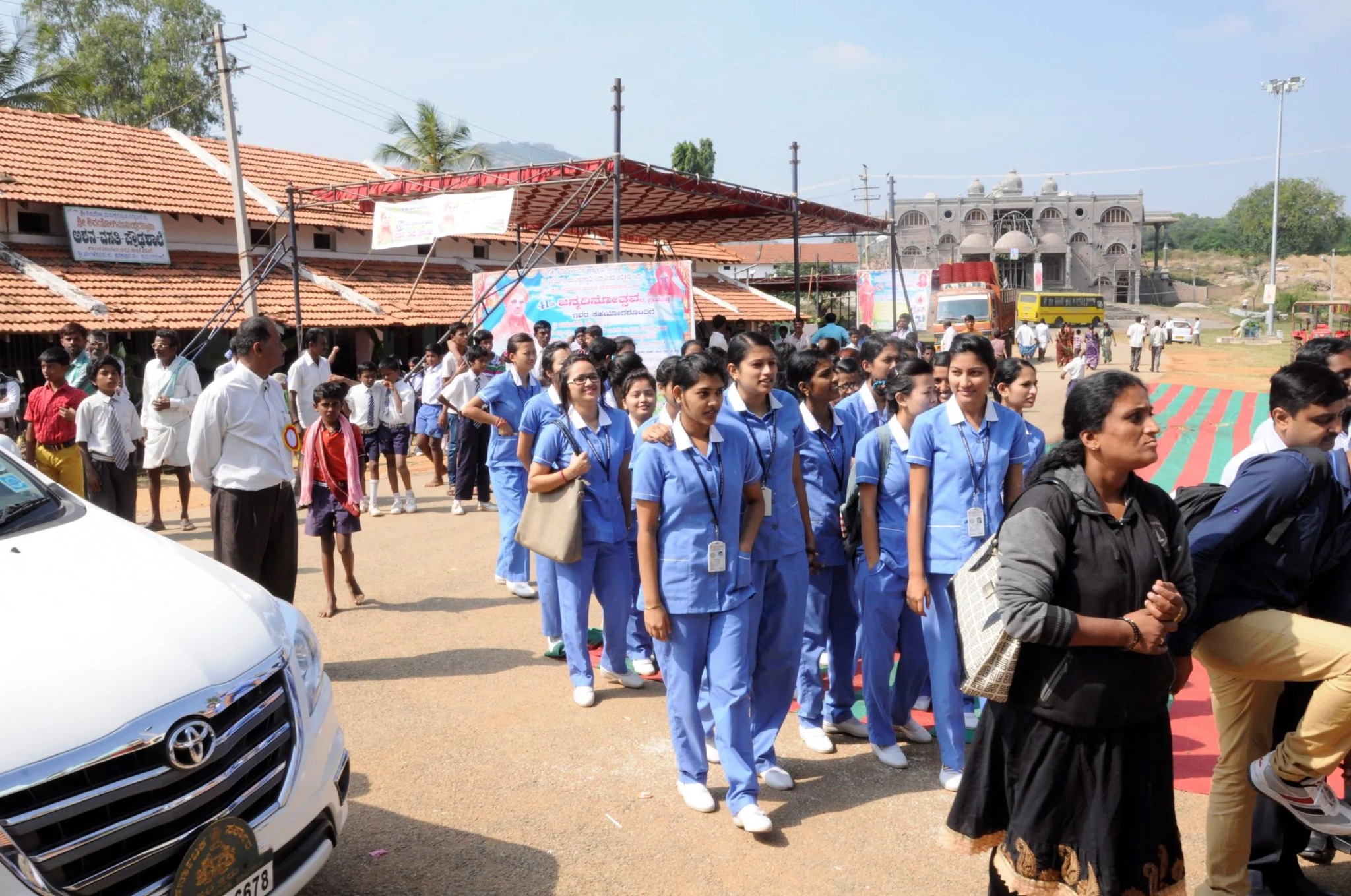
Regular medical check-ups for students are administered every six months by Vidya Peetha. The published record describes cases where health concerns were identified and followed through with the appropriate health authorities or specialist treatment.
The Mutt's published material states that students receive regular medical checkups every six months.
The record describes immediate notification of the Health Department in three cases of leprosy among students, followed by treatment and recovery. It also describes sustained treatment advised by NIMHANS for another student with a neurological disorder, with expenditure supported by Vidya Peetha.
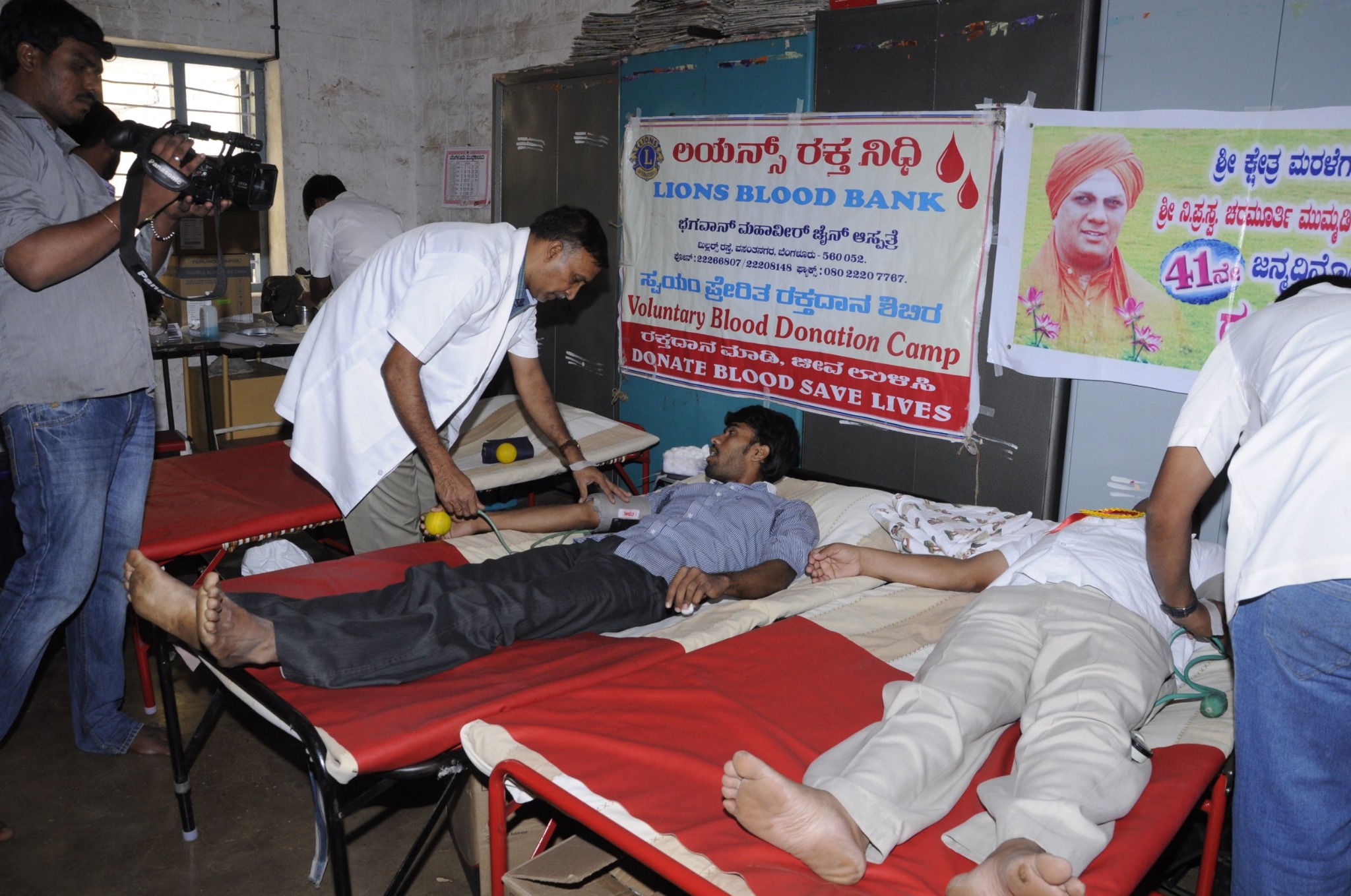
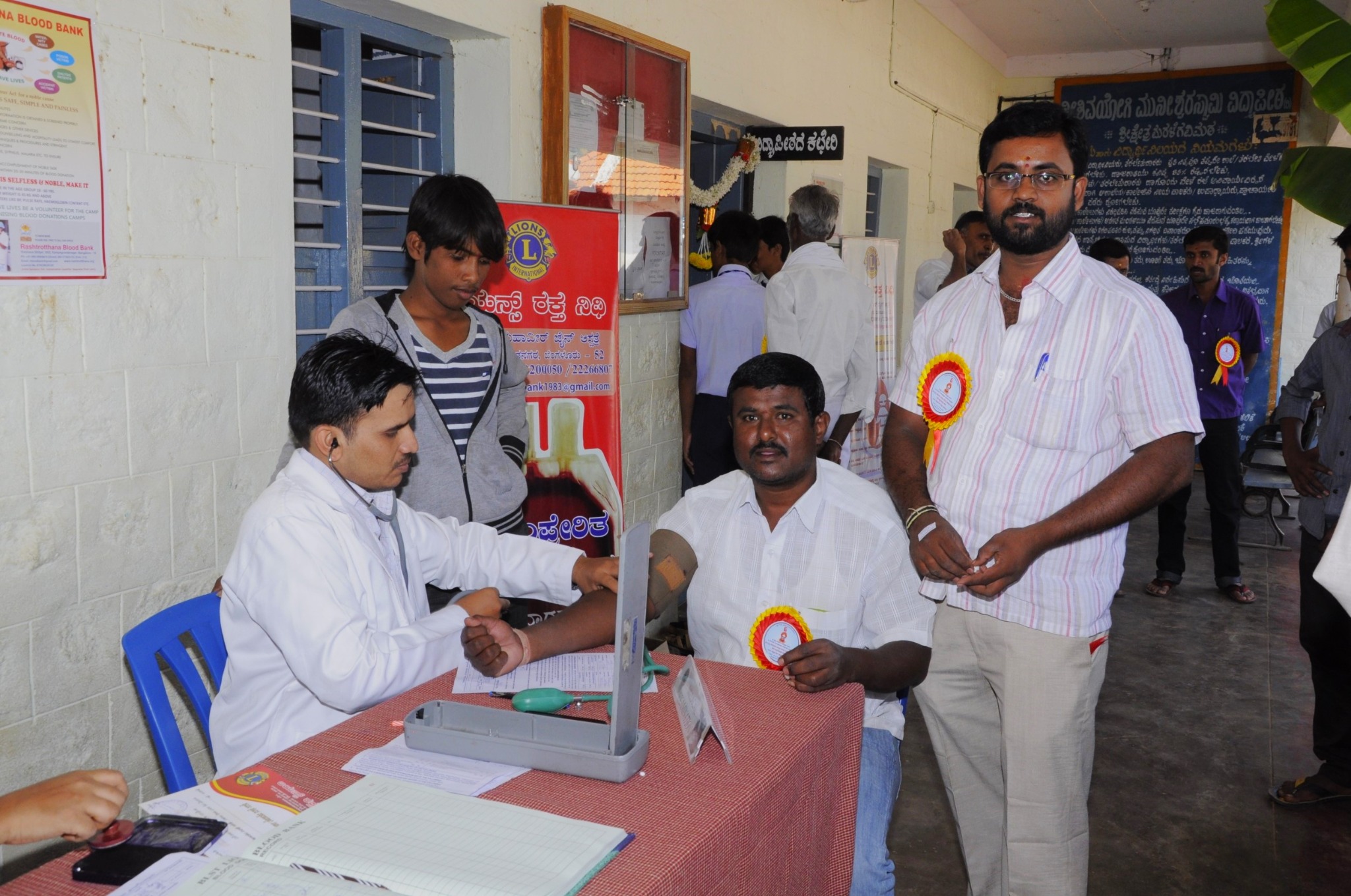
Blood and eye donation camps are regularly administered by the Mutt. These initiatives extend the idea of service beyond direct institutional support and invite the wider community to participate.
Regular donation camps create a direct bridge between community participation and practical health service.
Care becomes meaningful when service reaches the person.
The health record is ultimately about continuity: identifying a need, securing appropriate treatment or assistance, and helping students and community members move forward with greater wellbeing and dignity.
Regular health checks create an opportunity to identify concerns among students.
Mobility and visual aids address immediate barriers faced by challenged students.
The published record describes coordination with health authorities and specialist treatment when needed.
Blood and eye donation camps provide a way for wider community participation in health service.